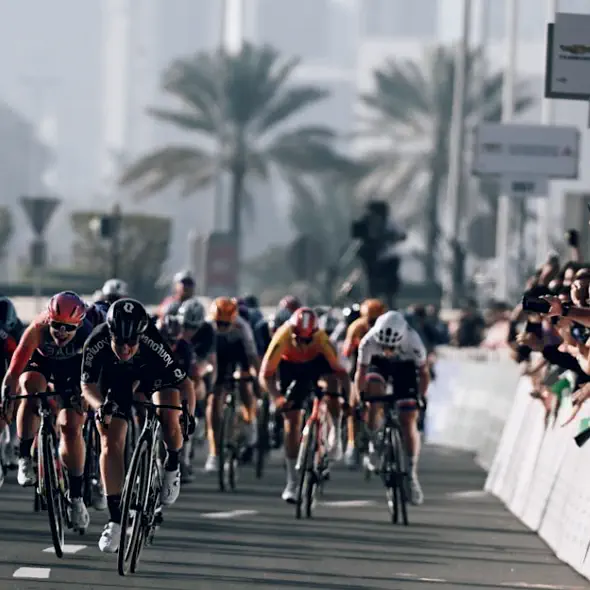
So, is all hope lost? Is cycling destined to become the private hobby of the rich and the Instagram-ready? Not quite. The sport’s soul isn’t dead—it’s just fighting back, one community ride and policy change at a time.
All across the country (and the globe), groups are forming to tackle the exclusivity head-on. Take the Shifting Gears Collective, a nonprofit based in Whatcom County, Washington. Their mission is simple but revolutionary: break down barriers for women in outdoor sports. They offer free, no-experience-required programs in mountain biking, sea kayaking, road biking, and backpacking 5. No $15k bike? No problem. No mentor or racing pedigree? They’ve got you.
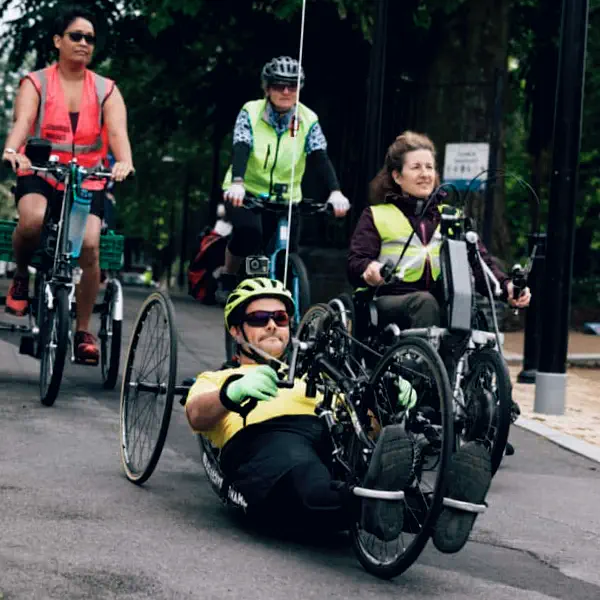
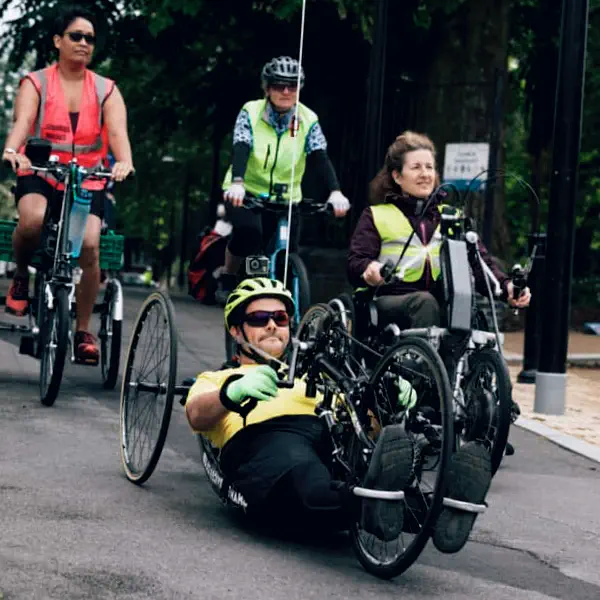
They’re not alone. From informal Black and Brown biker groups that grew during the pandemic to gender-inclusive gravel meetups, the rise of communal cycling is a quiet revolution. These aren’t flashy events—they’re local, intentional, and designed to make the sport less about winning and more about belonging.
"Amazing! I learned, I was challenged, I was empowered!" one participant exclaimed on their website. "I found a new hobby, and had a fantastically wild time exploring, bonding, laughing, and adventuring." Now that’s branding the big companies should be copying.
Then there’s the institutional end. In 2024, the Union Cycliste Internationale (UCI)—cycling’s global governing body—quietly adopted a Diversity Charter aimed at promoting gender equity, racial diversity, and inclusion across all disciplines 1. This isn’t just window dressing. Starting in 2026, the Women’s WorldTour will see enforceable regulations:
Equal prize money distribution
A 1:3 staff-to-rider ratio to improve support and coaching access
A minimum team budget of €1.2 million
An enforced minimum rider salary of €38,000 (about $41,000)—a lifeline for athletes who’ve long been expected to train while working side jobs
This is a seismic shift. For years, women’s cycling lived on scraps—less funding, less coverage, less travel support—all while facing the same grueling race schedules. Now, the UCI is saying, “No more.” It’s not about charity. It’s about fairness.
They’ve also launched a “Women in Cycling” network to foster leadership and mentorship, and their 2030 agenda explicitly includes diversity and inclusion as core pillars 6. Is this perfect? No. But it’s momentum.
And even the brands are inching toward a more inclusive ethos. Rapha—the poster child of premium cycling lifestyle—launched their “More Than Cycling” campaign, a refresh of their brand vision that prioritises community and accessibility over podium finishes 7.
Remember when Rapha was all about black kits, European cafes, and looking like you’d suffer elegantly up Alpe d’Huez? They haven’t abandoned that. But now they’re spotlighting women’s rides, grassroots efforts, and stories of everyday riders through campaigns like Women’s 100, a global series celebrating women on bikes. Their “She Sends” collection, co-created with pro mountain biker Kate Courtney, supports her foundation to get more girls on bikes 8.
Sure, they still charge $500 for a jersey. But now there’s a narrative running through their marketing that says: This sport is for you too—whether you race, tour, or just like the wind in your helmet.