How the Bike Industry Is Finally Getting Its Green Wheels

How the Bike Industry Is Finally Getting Its Green Wheels

Carbon Footprint

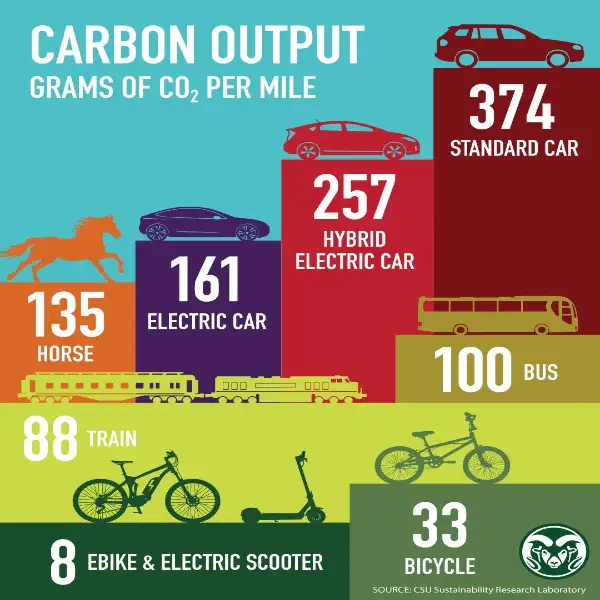
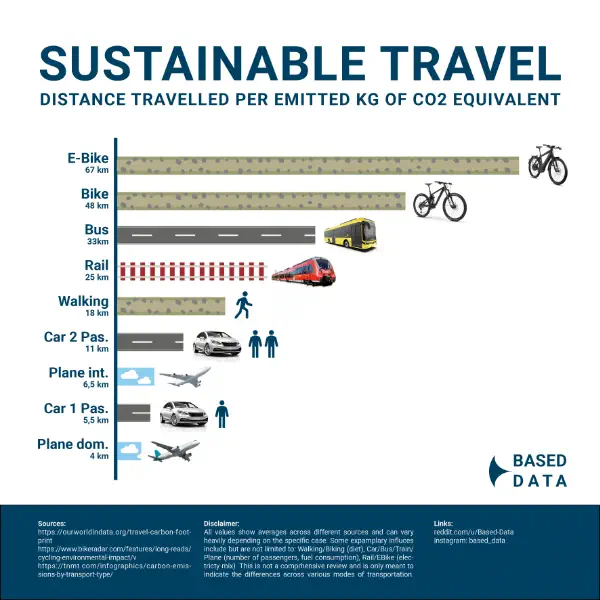
When you're grinding up a 10% grade in your lycra-clad glory, the last thing on your mind is probably the carbon footprint of your carbon fiber steed. But here's the thing: while cycling is arguably one of the most eco-friendly ways to get around in terms of carbon footprint (open infographics - sources as noted), the process of making those beautiful machines we love has traditionally been about as green as a mud puddle.

Tap image to open
Tap image to open

A Sustainable Revolution on Two Wheels

Not to fear, because the bike industry is waking up and smelling the fair-trade coffee. Consumer pressure for eco-conscious production has gone from a gentle nudge to a full-on peloton sprint, and manufacturers are finally responding with some genuinely impressive sustainability initiatives. So grab your reusable water bottle, and let's dive into how your favourite bike brands are trying to save the planet while still helping you crush Strava segments.

Image

The Dirty Truth About Bike Manufacturing

Before we get to the good stuff, let's talk about why bike manufacturing has been such an environmental party pooper. Spoiler alert: it's complicated, and yes, aluminium production is basically the elephant in the room that's actually a massive CO2-emitting machine.

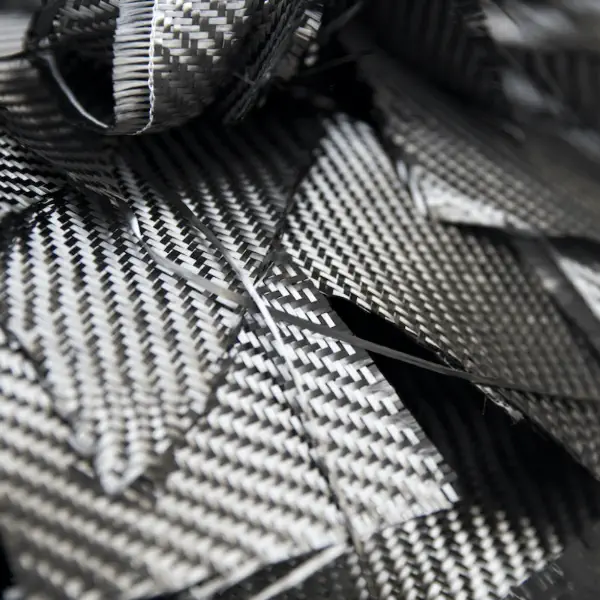
Traditional bike manufacturing is a carbon-intensive affair that starts long before you even unbox your dream ride. Take carbon fiber, for instance – that magical material that makes bikes feel like they're floating uphill while simultaneously making your wallet feel significantly lighter. Producing virgin carbon fiber requires temperatures around 1,500°C and gobbles up more energy than a toddler after a sugar binge.

Then there's aluminium, the OG workhorse of the bike world. While endlessly recyclable (hooray!), primary aluminium production is responsible for about 1% of global greenhouse gas emissions – and that's when the industry is having a good day. The process involves electrolysis that's so energy-intensive, it makes Bitcoin mining look like a meditation retreat.

But wait, there's more! Your bike's journey from factory to garage typically involves shipping components from multiple countries, assembling them in another facility, then shipping the finished product to your local shop. It's like a carbon-heavy world tour that would make even the most jet-setting rock star blush.

And let's not forget the packaging – plastic foam, bubble wrap, and zip ties.

Image

Major Brands Making Major Moves

Trek: The Aluminium Revolution

Trek has been leading the charge with what they're calling the "largest carbon-reduction initiative in Trek's history." And no, that's not marketing hyperbole – they've gone all-in on low-emission aluminium that's sourced from facilities powered by renewable energy or incorporating recycled materials, or both.

Starting in October 2025, nearly every aluminium bike frame from Trek, Electra, and Diamant will be made with this greener aluminium. We're talking over 1 million bikes annually here, people. The new aluminium sourcing policy limits emissions to 11 kg CO₂e per kg or less – compare that to the global average of 16.1 kg per kg, and you're looking at some serious carbon savings.

But Trek didn't stop there. They've implemented a comprehensive refurbishment program called Red Barn Refresh, which refurbished 2,791 used bikes in its first year alone, saving an estimated 432 tons of CO₂ compared to making new bikes. They've also partnered with Call2Recycle for e-bike battery collection, with 580 Trek retailers now serving as collection sites for spent batteries.

The results speak for themselves: Trek aims to slash its emissions intensity from 400 kg CO₂e per bike in 2023 to just 190 kg by 2027. That's more than a 50% reduction while the percentage of e-bikes in their lineup is increasing – talk about riding against the wind!

Image
Canyon: The Supply Chain Whisperer

German direct-to-consumer giant Canyon has taken a different approach – they're basically running a sustainability bootcamp for their suppliers. After discovering that Scope emissions (that's supply chain stuff, for those playing along at home) account for the overwhelming majority of their carbon footprint, Canyon co-developed a Climate Action Training Programme with other bike industry companies and the German Development Cooperation.

This free training program, available in English, Mandarin, and Vietnamese, teaches suppliers how to measure and report greenhouse gas emissions, set reduction targets, and implement solutions. It's like a sustainability support group, but instead of sharing feelings about your childhood, you're sharing best practices for reducing your carbon footprint.

Canyon's been transparent about their progress too, reporting that their Scope 3 emissions dropped from 143,072 t CO₂e in 2023 to 97,860 t CO₂e in 2024. That's not just a rounding error – that's a serious chunk of carbon that didn't make it into the atmosphere.

Image
Giant: The Recycling Pioneer

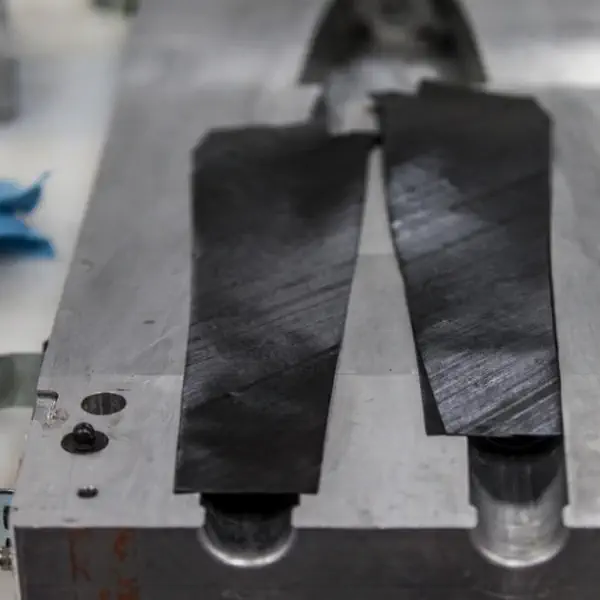
Taiwan's Giant Group has been making waves with their groundbreaking Pre rCarbon balance bike – the world's first balance bike using recycled carbon fiber for the frame, fork, wheels, handlebar/stem unit, and seatpost. But this isn't your garden-variety recycling we're talking about.

Giant developed a proprietary process using recycled long-strand carbon fibers to produce frames, featuring a special resin formula and 3D fusion compound with high-pressure, low-void molding. The result? The Pre rCarbon has the same strength and weight as traditional carbon fiber while reducing carbon emissions by more than 50%.

Giant didn't stop at just the frame, either. The tires use Seawastex nylon made from discarded ocean plastics, the grips are made from recycled polypropylene and thermoplastic rubber, and the saddle uses recycled EVA. It's like they challenged their design team to make something sustainable out of, well, everything.

Cannondale: The Packaging Revolutionary

Cannondale looked at the bike packaging problem and said, "We can do better." Then they actually did it. Their new 100% recyclable, plastic-free packaging has eliminated all that expanded foam, polystyrene, plastic zip-ties, bubble-wrap, and nylon bags that traditionally accompanies a new bike.

In just the first year of introduction in Europe, Cannondale estimates they'll save over 4,500 cubic meters of waste – that's more than 70 shipping containers worth of plastic junk annually. Plus, and this is the brilliant part, the new packaging makes bikes easier and quicker to assemble. So they're saving the planet AND making bike shop mechanics' lives easier. That's what we call a win-win.

Image
The Boutique Brigade: Small Brands, Big Ideas

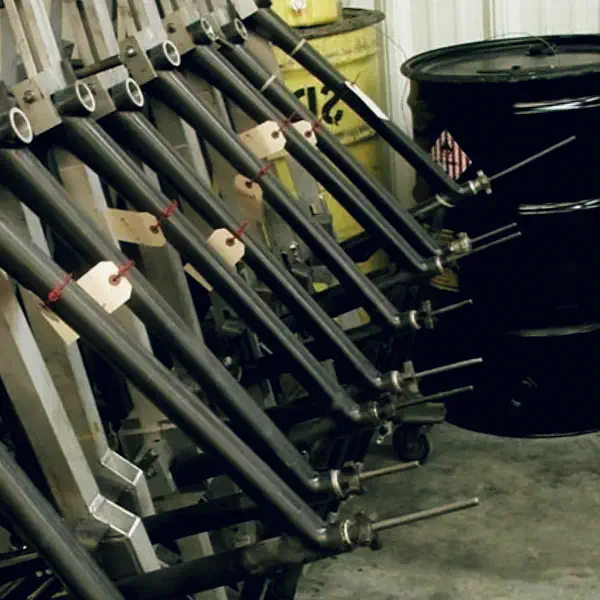
While the big players grab headlines, smaller manufacturers are making impressive strides too. Detroit Bikes has become the largest bicycle frame manufacturer in the United States, assembling everything in-house using Chromoly sustainable steel. Over in the UK, Pashley Bikes has been handcrafting bikes for nearly a century using sustainable steel and maintaining a close-knit team of about 40 skilled craftsmen.

Perhaps most inspiring are brands like Booomers, which employ dozens of young people in rural Ghana to build bamboo bikes. Bamboo is lighter than steel, as durable as aluminium, and grows like, well, a weed. Each purchase supports local philanthropic initiatives and provides living wages in communities that need them.

And let's not overlook Chris King, which became the first bike manufacturer to become a Certified B Corporation. Based in Portland, Oregon, they've been prioritising reclaimed steel and aluminium, water-saving production methods, and local manufacturing for over four decades.

What's Next: The Crystal Ball of Sustainable Cycling

If you think this is impressive, just wait – the bike industry's sustainability revolution is just getting started. Bio-based composites are emerging as the next frontier, with materials like flax fiber and bamboo-based resins promising to replace petroleum-based carbon fiber in certain applications.

The circular economy concept is gaining traction too, with brands exploring take-back programs, modular designs for easier repair, and even bike-as-a-service models that keep products in circulation longer. Imagine being able to upgrade your frame without buying an entirely new bike – it's not sci-fi, it's where the industry is heading.

Supply chain transparency is becoming non-negotiable, with consumers demanding to know exactly where their bikes come from and what environmental impacts they carry. Expect to see more brands following Canyon's lead in supplier education and collaboration.

And perhaps most excitingly, we're seeing a shift from simply "doing less harm" to actively "doing more good." Companies are investing in reforestation projects, community cycling infrastructure, and programs that make bikes accessible to underserved populations. It's a holistic approach that recognises sustainability isn't just about carbon footprints – it's about creating a better world for everyone to ride in.

The Road Ahead

The bike industry still has a long way to go. Your carbon fiber dream machine will probably never be as environmentally friendly as, say, walking. But the progress we're seeing is genuinely exciting, and it's being driven by an industry that genuinely loves the outdoors and wants to preserve it.

The next time you're browsing for your next ride, take a moment to look beyond the spec sheet and consider what went into making that bike. Support brands that are making genuine efforts to reduce their environmental impact. Choose refurbished when possible. And most importantly, ride that bike enough to offset its manufacturing emissions – because at the end of the day, the most sustainable bike is the one that gets ridden instead of sitting in a garage.

Now if you'll excuse me, all this talk about sustainability has inspired me to go for a ride. On my bike. Which I promise to ride enough to justify its carbon footprint. Probably.

Share with your friends
You May Also Like

October 10, 2025

Taking your medicines correctly ensures maximum effectiveness, prevents side effects, and keeps you safe

October 10, 2025

Taking your medicines correctly ensures maximum effectiveness, prevents side effects, and keeps you safe

Subscribe News

Get Exclusive Business Insights & Tips

Important
Say Hello

+61 404 641 288

7/107 Miles Platting Rd,
Eight Mile Plains QLD